
Laguna Niguel, CA · Garage Door Service
Why So Many Laguna Niguel Garage Doors Have No Insulation
Many Laguna Niguel houses date to the 1980s, before garage doors came standard with insulation. Here's what that means for comfort, noise, and repair costs.
- Repairs & new doors
- Springs & openers
- Serving 5 nearby communities
What Local Conditions Do
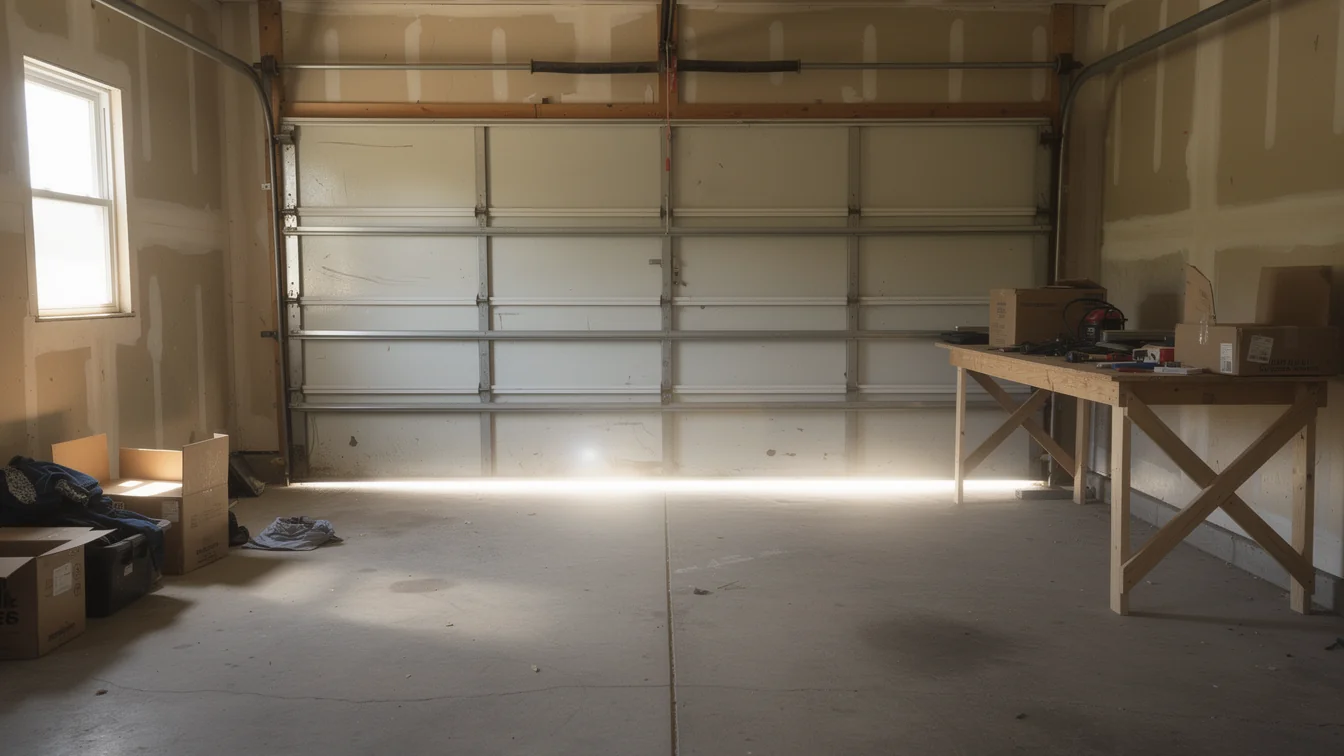
Housing in Laguna Niguel spans 1938 to 2015, but the median build year lands around 1983 - right in the stretch when most of the city's fourteen named neighborhoods went up. That's an important number for garage doors, because insulated steel panels with a foam core weren't standard equipment on tract-built doors through the 1980s and into the 90s. Builders here hung single-layer steel, sometimes with a thin vinyl backing at best, because the mild coastal climate didn't force the issue the way a snow climate would. You could get away with an uninsulated door in Laguna Niguel in a way you couldn't in a place with real winters.
That history is still sitting in a lot of garages today. If your house falls into that 1980s-90s window - and across this service area, most do - there's a decent chance the original door, or a like-for-like replacement from decades back, never had insulation in it at all. It's not a defect. It's just what was sold at the time, in a climate that didn't punish the choice.
When to Get Help
The tell isn't usually dramatic. It's a garage that runs noticeably warmer or colder than the rest of the house, a door that booms when it closes instead of thudding, or a panel that flexes visibly when you press on it. On an uninsulated steel door, all three point the same direction: there's nothing between the outer skin and the inside of your garage but air.
Condensation is another sign worth paying attention to, especially on a door that faces the morning sun after a cool night - not uncommon given the swing between early mornings and warmed-up afternoons even in a mild climate. If you're seeing beads of moisture on the inside of the panel, that's an uninsulated single-layer door doing exactly what it's built to do, which is nothing to stop temperature transfer.
Call someone out if the door is also showing rust at the bottom panel, if hardware feels loose on a door this old, or if you're weighing a repair against a full swap. A straight insulation retrofit kit works on some doors and not others - it depends on the panel design, and on a door built in the 80s, the frame often isn't made to take the kit cleanly.
Season by Season
Laguna Niguel sits in a mild, temperate band - no hard freezes, no heavy snow load to worry the track or opener. That's good news for most garage door maintenance, but it also means the usual seasonal checklist that gets written for colder climates doesn't really apply here. You're not winterizing against ice on the rollers.
What you do get, year-round, is sun. A steel door without insulation absorbs heat through the day and radiates it back into the garage into the evening, which matters more in summer stretches when a west-facing door bakes for hours. Paint and weatherstripping on an original-build door from the 80s or 90s have usually taken thirty-plus years of that cycle, and it shows in cracked seals and faded finish before it shows anywhere else.
Spring and fall bring the bigger day-to-night temperature swings, which is when condensation on an uninsulated panel is most likely to show up. None of this is severe weather by any stretch - it's slow wear from a climate that's gentle but constant, working on hardware and finishes that were never built with insulation in mind to begin with.
The Situation
If your door is original to a house built in that 1980s stretch, or a direct swap from around then, it's almost certainly uninsulated steel. Across the 56,279 owner-occupied houses in this service area, a lot of them fall in that same build window, so this isn't an unusual call to get.
Here's the honest part: retrofitting insulation into an old single-layer panel isn't always worth doing. Insulation kits are made for certain panel profiles, and a door that's thirty-plus years old often has hardware, hinges, and a frame that are at or past their working life anyway. In that case, spending money foam-backing a door that's also due for new rollers and a spring within a year or two doesn't make sense - a full replacement with a factory-insulated door usually costs less over time than patching an old one twice.
If the door itself is still square, the track is true, and the only issue is the bare steel, a retrofit can make sense. That's a call best made in person, panel by panel, not over the phone.
Frequently asked questions
Is it normal for a Laguna Niguel house built in the 1980s to have an uninsulated garage door?
Yes. Most of the city's housing dates to that decade, and insulated steel doors with a foam core weren't standard equipment then, especially in a mild coastal climate that didn't push builders toward it. An uninsulated original door on a house from that era is the rule, not the exception.
Will adding insulation to an old door actually help?
It helps with noise and some temperature swing, but it won't transform a garage into a conditioned space. On a door that's otherwise sound, a retrofit kit can be worth it. On a door with worn hardware or a bent panel, you're better off putting that money toward a new insulated door instead.
Why does my garage door sweat on cool mornings?
That's condensation forming on bare steel when the temperature on one side of the panel changes faster than the other - common after a cool night followed by a sunny morning. It's a sign the door has no insulating layer, not a sign anything is broken.
Related garage door services in Laguna Niguel
More garage door guides
Book garage door service in Laguna Niguel
Call now or request a quote - tell us what the door is doing and where you are.